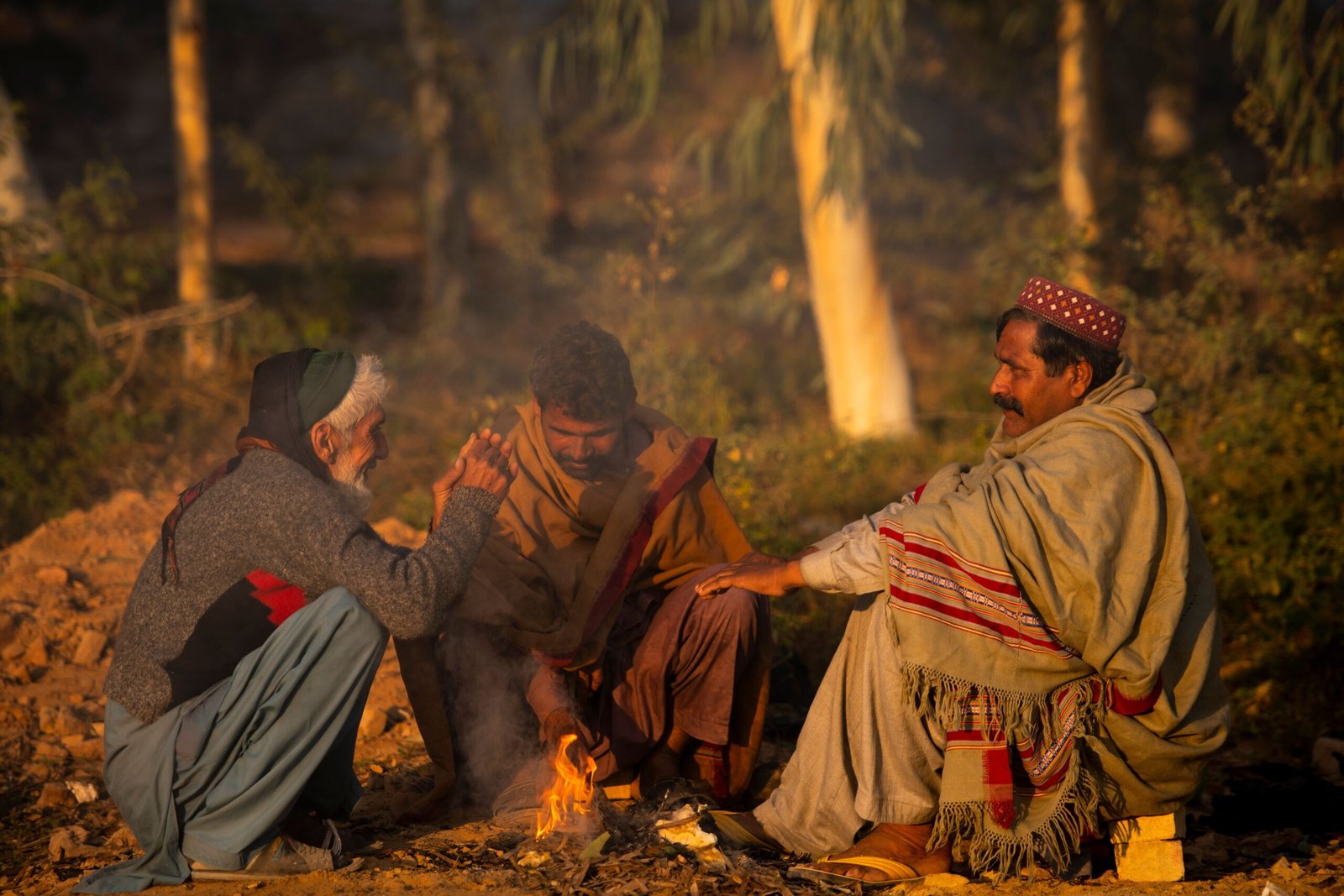
Pakistan’s daily life is shaped by a rich mix of family traditions, regional languages, food, work, faith, education, and community relationships. Although lifestyles differ between cities, towns, villages, and provinces, people often share a strong sense of hospitality and connection. These ordinary experiences reveal as much about the country as major landmarks or historic events.
The strength of family connections
Family remains central to many social routines. Relatives support one another during celebrations, illness, education, and important decisions. Meals and visits create opportunities for conversation, while younger people learn customs and stories from older generations. At the same time, modern work patterns and migration are changing how families stay connected. Phones and video calls help maintain relationships when relatives live far apart.
Food as a shared experience
Food reflects regional identity and family creativity. Recipes may vary from one neighbourhood to another, with differences in spices, cooking methods, and ingredients. Markets, roadside stalls, home kitchens, and restaurants all contribute to the country’s food culture. Sharing a meal is often an expression of welcome, friendship, and respect.
Home cooking also carries practical value. Families adapt recipes according to budgets, seasons, and available ingredients. This flexibility allows traditional dishes to remain relevant while new ideas enter everyday kitchens.
Community support
Neighbours frequently help one another in practical ways. Community support may involve sharing information, assisting during emergencies, collecting donations, or organizing local events. In many places, informal networks provide help faster than formal systems, although they work best when combined with responsible organization and transparent leadership.
Education and changing opportunities
Education continues to influence personal and family goals. Students increasingly use digital resources alongside schools and colleges. Parents often view education as a path toward greater independence and better employment. Alongside traditional careers, young people are exploring technology, design, online work, entrepreneurship, and creative industries.
Access remains uneven, especially where schools, devices, transport, or reliable internet are limited. Supporting teachers, improving facilities, and encouraging practical skills can help more students benefit from new opportunities.
Tradition and modern life
Modern life does not always replace tradition; often, the two adapt together. Families may celebrate cultural events using contemporary clothing, digital invitations, online shopping, and social media while preserving familiar foods and customs. This balance allows traditions to remain meaningful for younger generations.
Conclusion
Pakistan’s identity is expressed through everyday relationships, local creativity, shared meals, learning, and community support. Understanding these ordinary experiences gives a balanced view of the country and its people. As society changes, the strongest traditions will be those that preserve kindness, dignity, and belonging while making room for new ideas.