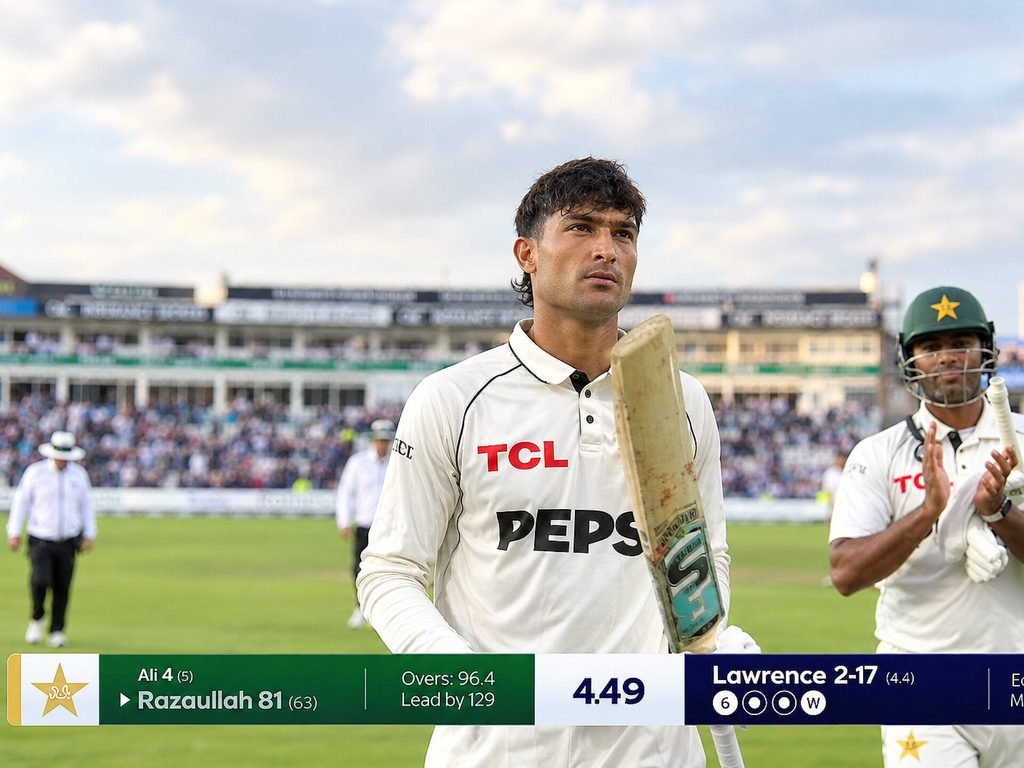
Pakistan cricket is more than a sport. It is part of everyday conversation, family gatherings, school memories, and national identity. From street games played with improvised equipment to packed stadiums and international contests, cricket brings people together across cities, provinces, and generations. The game has produced memorable heroes, dramatic comebacks, and moments that remain part of the country’s shared story.
Why cricket matters so much
The popularity of cricket comes from its accessibility. A bat can be made from simple materials, a ball can be shared among friends, and almost any open space can become a playing area. Children learn teamwork, patience, leadership, and confidence while playing. For many families, cricket is also a way to connect with relatives and friends, especially during major tournaments.
Supporters follow the national team, domestic competitions, and emerging players with equal enthusiasm. Every match creates discussion about strategy, selection, fitness, and character. This interest keeps the sport visible and encourages young people to participate rather than only watch.
The importance of grassroots cricket
A strong future begins at local level. Schools, clubs, academies, and community grounds give young players the chance to learn fundamental skills. Good coaching helps players understand balance, footwork, bowling control, fielding technique, and match awareness. Just as important is the development of discipline. Talented players need regular practice, healthy routines, and constructive guidance.
Facilities also matter. Safe grounds, suitable equipment, trained coaches, and opportunities for girls and boys can make cricket more inclusive. When communities invest in these basics, they create a larger pool of players and help talent emerge from places that may otherwise be overlooked.
Challenges and opportunities
Pakistan cricket faces familiar challenges, including inconsistent facilities, limited resources, pressure on young players, and the need for better long-term planning. Talent alone is not enough. Players need fitness support, mental preparation, injury prevention, and clear pathways from local competitions to higher levels.
There are also encouraging opportunities. Digital platforms allow coaches to study performances, players to share training ideas, and supporters to follow domestic competitions. Women’s cricket, school cricket, and regional tournaments can expand the sport’s reach. Better organization can turn enthusiasm into sustainable progress.
What supporters can do
Fans contribute by encouraging respectful discussion, supporting local matches, and recognizing effort as well as results. Young players benefit when adults avoid excessive pressure and focus on development. Parents can help by making sure children balance sport with education, rest, and personal wellbeing.
Conclusion
The future of Pakistan cricket depends on patience, investment, and a wider understanding of success. International victories are important, but so are healthy local clubs, well-maintained grounds, qualified coaches, and opportunities for every interested child. With consistent support, cricket can continue to inspire communities and give new generations a reason to dream, work hard, and play with pride.